
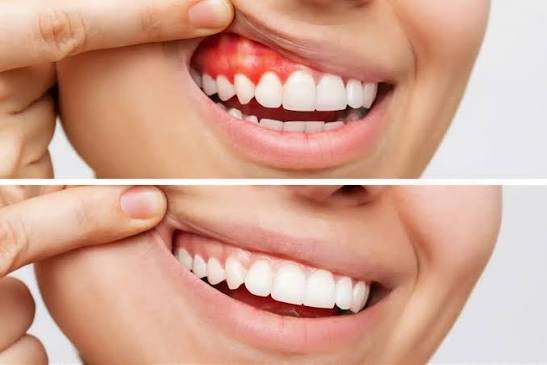
Gum disease affects many adults, often developing quietly over time. People may carry it without recognizing the early signs, and this makes it difficult to address before it progresses. Learning what gum disease is and what steps support healthy gums can help you take a more active role in your oral care.
What Is Gum Disease?
Gum disease, also called periodontal disease, refers to inflammation and infection that affects the tissues surrounding and supporting the teeth. It usually begins when plaque builds up along the gum line. If plaque is not removed through regular cleaning, it can harden into tartar, and this is more difficult to eliminate.
The condition tends to progress in stages. The earliest stage is often called gingivitis, and it is marked by redness, swelling, or bleeding of the gums. These effects are typically reversible with improved care. When gingivitis is left unaddressed, it may advance into periodontitis, a more serious stage in which the gums begin to pull away from the teeth and form pockets. This process can affect the bone that holds teeth in place over time.
Several factors may raise the likelihood of developing gum disease. This includes irregular brushing habits, as well as tobacco use, certain medications, hormonal changes, and some underlying health conditions. Having a family member who has been affected by periodontal disease also increases one’s risk, so genetics play a role in how susceptible a person is.
How Do You Prevent It?
Prevention centers on consistent daily care, and oral health relies on regular attention to the care of your mouth. A steady routine can be very helpful in keeping gums in good condition. There are some practices that are recommended by dental professionals, including:
- Brush Twice Daily: Use a soft-bristled toothbrush and toothpaste, cleaning gently along the gum line where plaque tends to gather.
- Floss Once a Day: Flossing reaches the areas between teeth that a brush cannot, helping to remove food particles and bacteria.
- Limit Tobacco Use: Smoking and other tobacco products are associated with a higher risk of gum problems and may slow healing.
- Stay Consistent With Cleanings: Professional cleanings help remove tartar that cannot be eliminated at home.
Small, repeated habits may produce strong results. Setting a regular schedule for brushing and flossing, and keeping up with routine dental visits, gives you a reliable foundation for gum health. Replacing your toothbrush every few months and using products suited to your needs can support these efforts.
When Should You Seek Care?
Certain signs suggest that a visit to a dental professional would be worthwhile. Paying attention to changes in your mouth allows you to respond to these indicators, helping to address a minor issue before it becomes more advanced. You may want to seek care if you notice any of the associated symptoms, which include:
- Gums that bleed during brushing or flossing
- Bad breath that is persistent
- Gums that appear red, swollen, or tender
- Gums that seem to be receding, making teeth look longer
- Teeth that feel loose or have shifted position
- Discomfort while chewing
These symptoms do not always mean advanced disease, but they are worth evaluating. Early attention often may help preserve the teeth and supporting structures.
Consult a Periodontal Expert
Healthy gums contribute to the stability of your teeth, and they can support your comfort when eating and speaking. A periodontal specialist focuses specifically on the tissues that surround and anchor the teeth, offering evaluations and care tailored to the condition of your gums. Working with such a professional gives you access to guidance grounded in a detailed understanding of periodontal health.