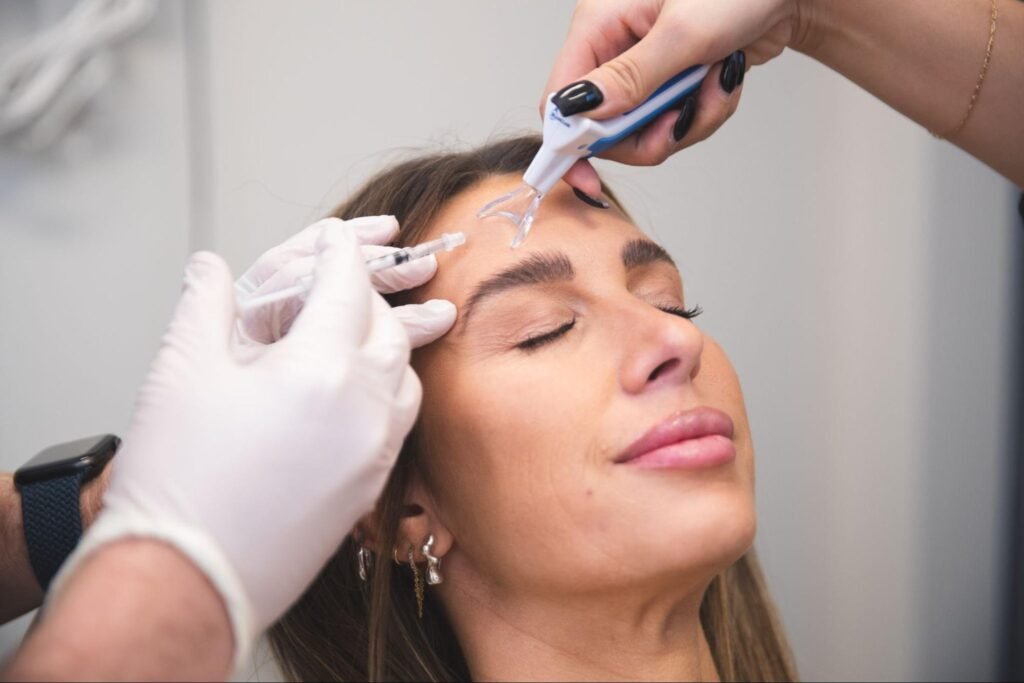
Botox is a neurotoxin used in clinical medicine to alter facial aesthetics. It temporarily reduces muscle activity, which smooths the skin in the targeted area. This treatment manages visible signs of aging, and it offers a temporary modification of facial dynamics. Here is more information on this treatment and how it enhances a patient’s appearance:
What Is Botox?
Botox is a purified form of botulinum toxin type A. This biological product is synthesized in a laboratory environment, and it blocks nerve signals when introduced into biological tissue. Medical professionals use this compound for both therapeutic and cosmetic purposes, helping to enhance quality of life.
How Does It Work?
The injected neurotoxin targets the neuromuscular junction within the localized treatment area. It binds to specific receptors on nerve endings, and this action prevents the release of the neurotransmitter acetylcholine. Without acetylcholine, the affected muscle cannot contract normally and remains relaxed. The nerve endings eventually generate new connections to restore muscle function.
This temporary paralysis directly affects the overlying skin by preventing it from creasing, and the effects begin to materialize within a few days of the procedure. Peak results may appear around two weeks post-injection. The body gradually metabolizes the toxin over several months, with muscle function returning to baseline. Patients require subsequent injections to maintain the targeted muscle relaxation.
What Does It Treat?
Practitioners primarily administer this treatment for dynamic wrinkles formed by repeated facial expressions. Common treatment areas include the horizontal lines across the forehead and the vertical frown lines between the eyebrows. The injections also effectively smooth the delicate areas around the lateral corners of the eyes, and medical providers may refer to these creases as crow’s feet.
How Is Appearance Enhanced?
The relaxation of specific facial muscles creates a smoother, more uniform skin surface. Reducing deep creases helps diminish the appearance of fatigue, making patients appear more rested. The skin regains a flatter topography because the underlying repetitive muscle contractions have ceased.
This process shifts the physical dynamics of the patient’s facial expressions. It softens harsh lines without altering the underlying bone structure, and the overall result maintains the individual’s natural facial proportions. The targeted approach allows the patient to display facial expressions while minimizing the formation of deep furrows. Providers may carefully map the injection sites to preserve necessary facial movements.
What Are the Benefits?
A primary advantage of this treatment is its non-surgical nature. The procedure requires no incisions or general anesthesia, so patients can resume normal daily activities immediately after their appointment. The clinical session is quick with a minimal recovery time compared to invasive surgical procedures.
Aesthetic outcomes may be predictable when administered by a trained medical professional, and the localized effect prevents systemic complications. The temporary nature of the neurotoxin allows patients to adjust their treatment plans over time. Patients may benefit from these subtle cosmetic alterations, which enhance their appearance and potentially their overall quality of life.
Learn More From a Specialist
Botox alters muscle activity to temporarily modify facial aesthetics and reduce wrinkles. The procedure smooths the skin, and the results gradually dissipate over three months or longer. Patients may undergo routine assessments to determine the need for subsequent treatments. Schedule a clinical consultation with a medical provider to discuss your specific needs today.
Find more practical guides on Metromsk.Com.
- How to Use Metromsk.Com: A Reader’s Guide to Finding Answers Faster
- Metromsk.Com Editorial Standards: How Guides Are Researched, Checked and Updated
- Metromsk.Com Topic Desks: A Guide to the Eight Categories and What Each Covers
- How to Protect Your Online Accounts: Passwords, Passkeys, MFA and Phishing
- How to Build an Emergency Fund Step by Step