
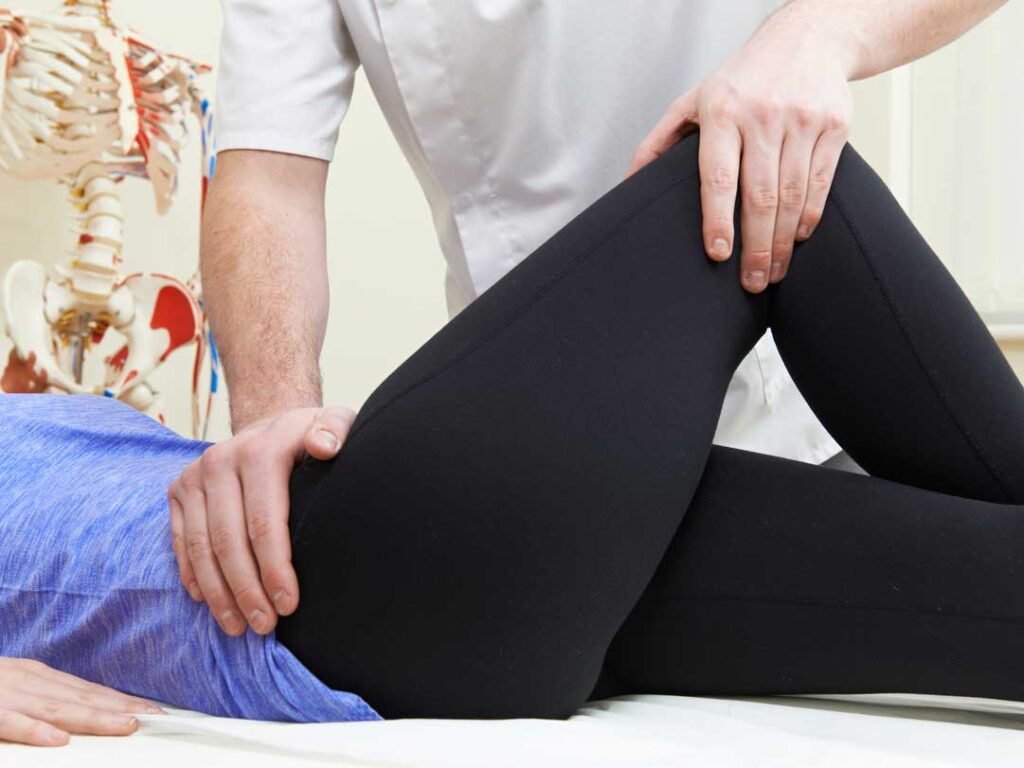
Hip pain is common, and it ranges from mild discomfort to debilitating limitations that disrupt daily life. The causes are varied, necessitating professional guidance. Understanding the source of this pain helps patients manage it effectively. Here is more information on the role of lifestyle adjustments in pain management:
What Is Hip Pain?
Hip pain refers to discomfort felt in or around the hip joint, and it can also radiate to the groin, thigh, or buttocks. The hip joint is a ball-and-socket structure that connects the femur (thigh bone) to the pelvis. The hip bears a substantial portion of the body’s weight, so pain in this region ranges from a dull ache to sharp, persistent discomfort. Left unaddressed, hip pain may worsen over time.
What Causes It?
This type of pain originates from a variety of underlying clinical conditions. Osteoarthritis involves the gradual breakdown of joint cartilage, and this condition is a primary cause of discomfort in adults over 55. Since pain felt in the hip region can actually originate in the lower back, an accurate medical diagnosis is key to establishing an effective treatment plan. Other common etiologies include bursitis, tendinitis, muscle strains, labral tears, and joint fractures.
Specific risk factors increase the likelihood of developing hip pathology. Although previous joint injuries and repetitive physical activity contribute to joint degeneration, excess body weight and a sedentary lifestyle are also major contributing factors. Identifying these risks is beneficial, and recognizing the underlying cause serves as the foundation for an effective management plan.
How Are Daily Activities Affected?
Hip pain rarely stays contained to one moment in the day; it tends to follow a person through their routine. Walking, climbing stairs, getting in and out of a car, and even sitting for extended periods can become uncomfortable or difficult. Some patients’ sleep is also disrupted, affecting overall quality of life.
What Lifestyle Adjustments Can Help?
Several evidence-informed lifestyle changes can reduce hip pain, and they support long-term joint health when applied consistently. High-impact activities like running or jumping place excessive stress on the hip joint; substituting these with swimming, cycling, or water aerobics keeps the body active while reducing joint load. Stretching exercises that target the hip flexors, glutes, and surrounding musculature improve flexibility. These exercises help reduce tension around the joint, which may otherwise compound discomfort over time.
Weight management is a valuable lifestyle adjustment. Each pound of body weight places more pressure on weight-bearing joints, including the hip, increasing the risk of developing pain. Excess weight accelerates cartilage deterioration, but reducing it through a balanced diet and regular low-impact activity can decrease pain levels. Ergonomic and postural adjustments may also be effective. Using supportive footwear, adjusting chair and workstation heights, and avoiding prolonged sitting or standing help reduce strain on the hip joint throughout the day.
Dietary adjustments support joint health. Anti-inflammatory foods, such as fatty fish, leafy greens, berries, and olive oil, may help reduce systemic inflammation that contributes to joint pain. A diet high in processed foods and refined sugars may increase inflammatory markers, so moderating these is beneficial. Adequate calcium and vitamin D intake supports bone density; this is particularly relevant for older patients whose risk of joint deterioration is elevated.
Consult an Orthopedic Specialist
Hip pain is a manageable condition for some patients, and lifestyle adjustments may provide relief. Modifying activity, managing body weight, improving posture, and supporting joint health through diet are all practical steps that can be taken alongside medical treatment. If you experience hip pain, consult an orthopedic specialist.
For more easy-to-follow guides, visit Metromsk.Com.
- How to Use Metromsk.Com: A Reader’s Guide to Finding Answers Faster
- Metromsk.Com Editorial Standards: How Guides Are Researched, Checked and Updated
- Metromsk.Com Topic Desks: A Guide to the Eight Categories and What Each Covers
- How to Protect Your Online Accounts: Passwords, Passkeys, MFA and Phishing
- How to Build an Emergency Fund Step by Step