
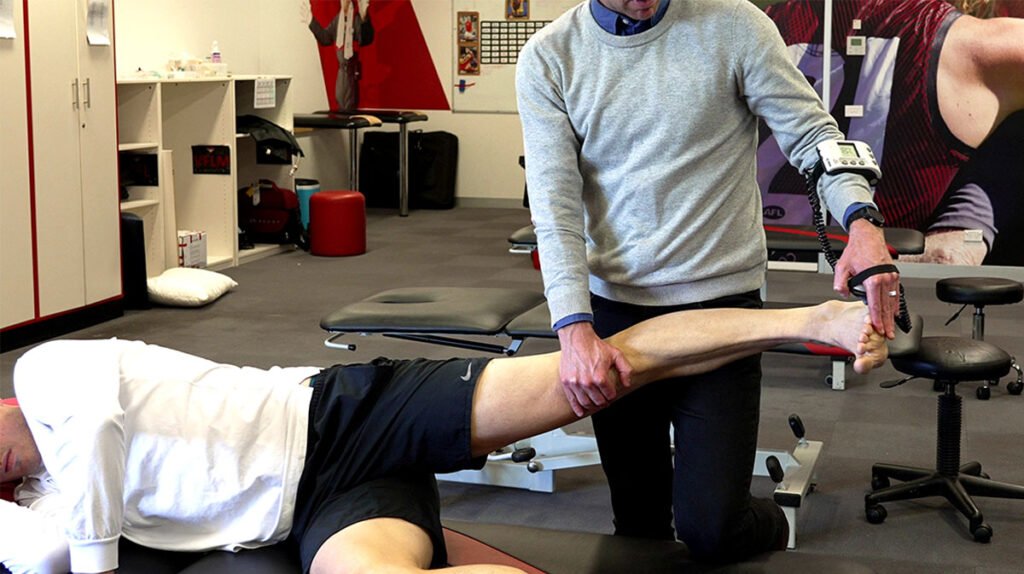
Sports injuries disrupt your routine. Recovery involves many stages, and each stage requires specific decisions about your care. Your provider guides you through these choices, so you understand every step before moving forward. A clear plan reduces uncertainty while helping you return to activity.
Assessment of Your Injury
Imaging tests confirm the diagnosis, and this information shapes your treatment plan. Your provider examines the injured area first. Sports medicine specialists identify the cause, evaluate the damage, and determine whether your bones, joints, or soft tissues need attention. A precise assessment sets the direction for everything that follows. Understanding the extent of your sports injuries matters, because the right diagnosis leads to the right care. Your provider may use X-rays to check for fractures or an MRI to examine soft tissue damage. These tools give a complete picture of the injury, and that detail matters when building your treatment plan. Some injuries appear minor but involve more structural damage, so a thorough evaluation protects you from incomplete care. Your provider also asks about your activity level, injury history, and symptoms. This information helps create a plan that fits your specific situation, not just the injury itself.
Selection of Your Treatment
Your provider reviews your diagnosis and recommends a treatment path based on your specific injury and needs.
Nonsurgical Treatment Options
Some sports injuries respond well to conservative care. Medication reduces inflammation in some. Joint injections ease pain, while physical therapy rebuilds strength. Fractures may require immobilization with a cast or brace, while more complex breaks call for additional steps.
When Surgery Is Needed
When conservative methods fall short, arthroscopic surgery repairs the joint through small incisions. This approach shortens your recovery time. Your provider explains each option clearly, so you can choose the treatment that fits your needs.
Continuation of Your Recovery
Recovery continues long after the initial treatment. Physical therapy restores range of motion, and regular exercise strengthens the surrounding muscles. Your provider monitors your progress, adjusts your program, and clears you to return to activity gradually. Rest supports healing between sessions. You follow the plan at your own pace, but steady effort produces the best results over time. Communication with your provider keeps your recovery on track, because your feedback shapes each adjustment to the plan.
Each stage of recovery builds on the one before it. Early sessions focus on reducing swelling and restoring basic movement, while later sessions introduce strength and functional exercises. Your provider tracks progress at each visit, and those checkpoints confirm your body is healing as expected. If your symptoms change or new discomfort develops, reporting it right away lets your provider adjust the plan before things progress. A complete recovery takes time. A structured, supervised plan gives you the best chance of returning to full activity safely.
Treat Your Sports Injuries Today
Sports injuries deserve attention from a qualified provider. Early care prevents complications, and a structured plan supports your full recovery. If you have a problem affecting your bones, joints, muscles, or other soft tissues, call the office today.