Allergies affect millions of people around the world, and allergic reactions range from mild skin irritation to life-threatening emergencies. Knowing when to seek emergency care can make a difference, as delayed treatment has the potential to worsen the reaction. Here is more information on what allergic reactions are, what triggers them, and when to go to the emergency room:
What Is an Allergic Reaction?
An allergic reaction occurs when the immune system identifies a normally harmless substance as a threat, which triggers the release of chemicals such as histamine. These chemicals cause physical symptoms. The immune system initiates this response to combat the perceived danger, and the resulting symptoms can vary in type and severity.
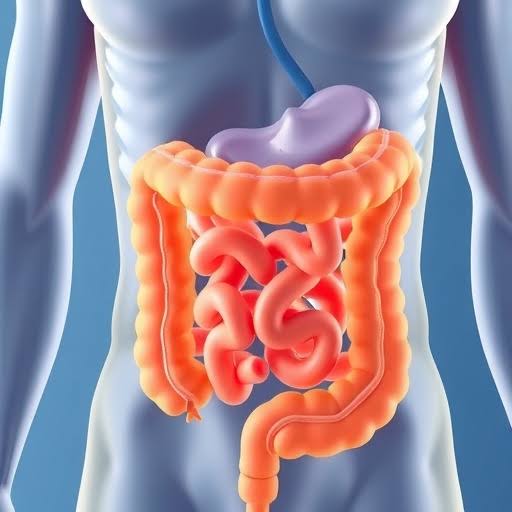
Some people experience only mild itching or sneezing, while others face severe, body-wide responses. Immediate medical attention may be required in serious cases. The body’s response can affect the skin, respiratory system, gastrointestinal tract, and cardiovascular system simultaneously, which makes accurate symptom recognition key.
What Causes Them?
Allergic reactions are triggered by substances called allergens. Common allergens include food items such as peanuts, shellfish, and tree nuts, along with insect stings, latex, and certain medications. Environmental factors such as pollen and pet dander are also frequent triggers. Exposure to an allergen does not always produce an immediate reaction, and some individuals develop sensitivities after repeated exposure. Those with a family history of allergies may face a higher likelihood of developing them, which suggests that both environmental and hereditary influences contribute to allergic sensitivity.
What Are the Symptoms?
Symptoms of allergies differ based on the allergen and the severity of the immune response. Mild to moderate symptoms typically include:
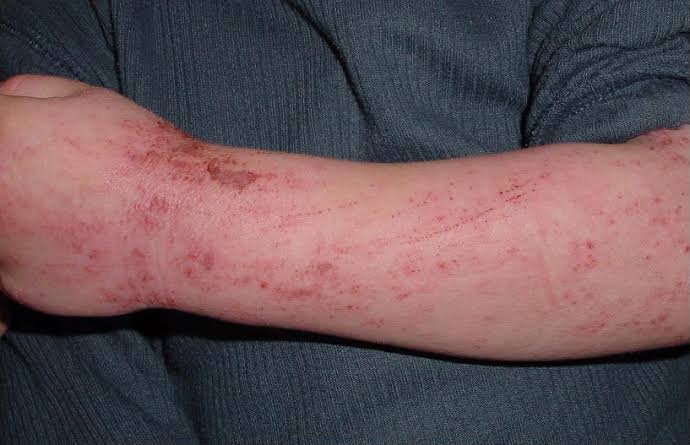
- Skin reactions: hives, redness, itching, or swelling
- Nasal symptoms: runny nose, sneezing, or nasal congestion
- Gastrointestinal issues: nausea, stomach cramps, or vomiting
- Eye symptoms: watery, itchy, or red eyes
Severe reactions involve more systemic symptoms. Swelling of the throat and tongue, a drop in blood pressure, dizziness, or a rapid heartbeat all signal a serious response.
When Is Emergency Care Necessary?
Emergency care is necessary when symptoms suggest anaphylaxis, which is a severe and potentially fatal reaction. It can develop within minutes. Anaphylaxis progresses rapidly without treatment; calling emergency services or going directly to the nearest emergency room is the appropriate response when these symptoms appear.
Specific warning signs that require emergency care include throat swelling, which makes it difficult to breathe or swallow, and a sudden, significant drop in blood pressure. Loss of consciousness is also a central indicator. Severe vomiting or diarrhea that does not subside, chest tightness, and wheezing may signal that oxygen flow is being compromised, and a bluish tint to the lips or fingernails confirms this concern. Epinephrine auto-injectors can temporarily manage anaphylaxis, though they do not replace emergency care.
Visit an Emergency Room Now
Allergic reactions can escalate quickly. Mild symptoms can be managed at home, but severe reactions call for immediate emergency care. If you or someone nearby is experiencing signs of anaphylaxis, do not wait. Go to the nearest emergency room or call emergency services immediately. Prompt medical intervention is an effective way to prevent a severe reaction from becoming fatal.
Explore more helpful articles like this on Metromsk.Com.
- How to Use Metromsk.Com: A Reader’s Guide to Finding Answers Faster
- Metromsk.Com Editorial Standards: How Guides Are Researched, Checked and Updated
- Metromsk.Com Topic Desks: A Guide to the Eight Categories and What Each Covers
- How to Protect Your Online Accounts: Passwords, Passkeys, MFA and Phishing
- How to Build an Emergency Fund Step by Step