
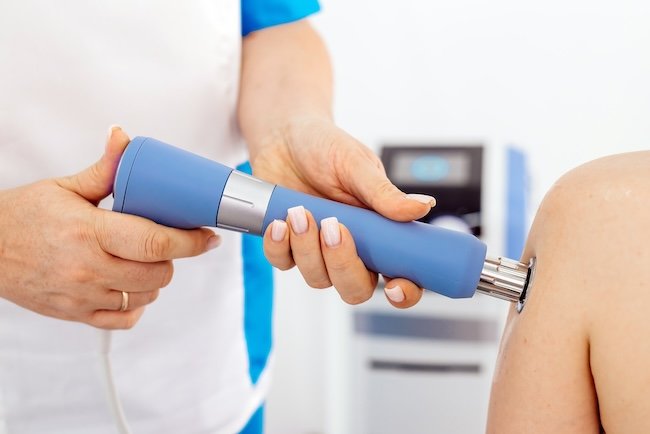
Shockwave therapy is a noninvasive treatment that uses acoustic waves to address certain musculoskeletal conditions. Healthcare providers evaluate each patient’s symptoms and discuss whether shockwave treatment is an appropriate treatment option. Learning about shockwave treatment can help patients better understand the procedure and available care options. Here is more information about the effectiveness of shockwave therapy in pain managment:
Understanding Shockwave Therapy
Shockwave therapy uses acoustic waves to treat certain musculoskeletal conditions through a noninvasive procedure. A healthcare provider applies the treatment to the affected area using a handheld device after evaluating the patient’s symptoms and diagnosis. Treatment recommendations vary according to each patient’s condition and healthcare needs.
Healthcare providers may recommend different shockwave treatment approaches based on the location and severity of the condition being treated. During a consultation, the provider explains the procedure, expected treatment plan, and follow-up care. An individualized evaluation helps determine whether shockwave treatment is an appropriate option.
Treating Musculoskeletal Conditions
Healthcare providers may recommend shockwave treatment for certain musculoskeletal conditions after a comprehensive evaluation. The treatment option depends on the patient’s diagnosis, symptoms, and overall health. Conditions that may be treated include:
- Plantar Fasciitis: Heel pain involving the plantar fascia.
- Achilles Tendinopathy: Conditions affecting the Achilles tendon.
- Patellar Tendinopathy: Tendon conditions involving the knee.
- Tennis Elbow: Pain affecting the tendons on the outside of the elbow.
- Calcific Shoulder Tendinitis: Shoulder pain associated with calcium deposits.
- Shin Splints: Pain along the shinbone related to physical activity.
- Hamstring Strains: Injuries involving the muscles at the back of the thigh.
A healthcare provider discusses whether shockwave treatment is appropriate based on each patient’s condition and treatment goals.
Reviewing Treatment Research
Healthcare providers may discuss published research on shockwave therapy when reviewing treatment options for certain musculoskeletal conditions. Clinical studies continue to evaluate the procedure across a variety of diagnoses, and research findings may help inform treatment recommendations. A healthcare provider explains how current evidence, along with the patient’s evaluation and treatment goals, guides decisions about whether shockwave treatment is an appropriate option.
Experiencing Shockwave Treatment
Shockwave treatment appointments typically take place in an outpatient setting. During the procedure, a healthcare provider applies a gel to the treatment area before using a handheld device to deliver acoustic waves. The provider explains each step of the procedure before treatment begins.
Treatment sessions and schedules vary based on the patient’s condition and treatment plan. Some patients may require multiple appointments over several weeks to complete the recommended course of care. A healthcare provider discusses the expected treatment timeline during the consultation.
Patients may experience different sensations during or after the procedure, and individual experiences vary. A healthcare provider explains what to expect during recovery and provides post-treatment instructions when appropriate. Follow-up appointments allow the provider to monitor progress and discuss any additional treatment recommendations.
Schedule Your Appointment Today:
Shockwave therapy is a noninvasive treatment option for certain musculoskeletal conditions. A healthcare provider evaluates your symptoms and discusses whether this treatment is appropriate for your diagnosis and healthcare needs. A comprehensive evaluation helps guide personalized treatment recommendations and care planning. Schedule a consultation today to learn whether shockwave therapy is an appropriate option for your condition.