

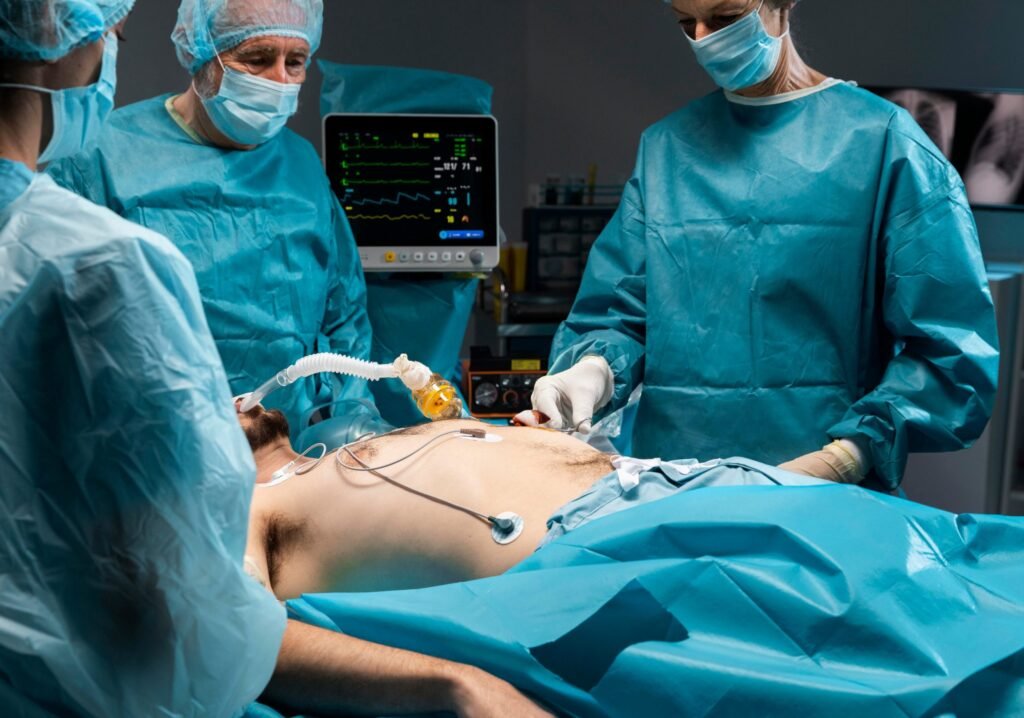
A hernia is a common condition that affects people of all ages and backgrounds, occurring when tissue or an organ pushes through a weak spot in the surrounding muscle or connective tissue. Some hernias cause little discomfort, but others may grow over time or lead to symptoms that interfere with daily activities. Surgery is one of the most widely used approaches for addressing hernias.
What Are Hernias?
Hernias develop when part of the body, often a section of the intestine or other tissues, protrudes through a gap or weakened area in the muscle wall that normally holds it in place. Muscles act like a barrier that keeps internal structures secure. When that barrier weakens, tissue can bulge outward and create a noticeable lump. Several types of hernias exist, and each is named for its location on the body:
- Inguinal hernias appear in the groin area.
- Umbilical hernias occur near the belly button.
- Incisional hernias can form at the site of a previous surgical incision.
Hernias may result from a combination of factors, including muscle weakness present from birth and strain placed on the body over time. Activities such as heavy lifting, persistent coughing, or added pressure in the abdomen can contribute to their development. Some people notice a visible bulge, and others feel pressure or discomfort. Because hernias do not typically resolve on their own, individuals need to seek medical guidance to learn about the options available to them.
What Does Hernia Surgery Involve?
Hernia surgery is a procedure designed to repair the weakened area, returning the displaced tissue to its proper position. Surgeons may use a few approaches, and the choice often depends on the type, size, and location of the hernia. Surgeries can be performed traditionally or use minimally invasive measures.
Open Repair
In an open repair, the surgeon makes a single incision near the hernia. The protruding tissue is moved back into place, and the weakened muscle wall is reinforced. Many procedures involve placing a supportive mesh over the area to strengthen the repair and reduce the chance of recurrence.
Minimally Invasive Repair
Minimally invasive methods, including laparoscopic and robotic-assisted techniques, use several small incisions rather than one large opening. The surgeon inserts a thin camera and specialized instruments to complete the repair. This approach often allows for smaller scars, and it may result in a shorter recovery period.
What Role Does It Play?
Choosing surgical repair offers several potential advantages for people living with a hernia, helping to improve their quality of life. Outcomes differ from person to person, but there are commonly associated benefits with treatment. These can include:
- Relieved Discomfort: Patients may report reduced pressure or pain once the hernia is repaired.
- Restored Function: Repairing the muscle wall can help the body return to normal movement and activity.
- Lower Risk of Complications: Addressing a hernia may reduce the chance of it enlarging or becoming trapped, a situation that often requires urgent attention.
- Improved Daily Comfort: With the bulge corrected, everyday tasks such as bending, lifting, or exercising can become manageable.
Modern surgical techniques continue to advance, giving patients more options that suit their needs and lifestyles. Discussing these choices with a medical professional helps individuals understand which method may be the best fit for their situation.
Speak Further With a Surgeon
Every person’s condition is unique, and the right approach depends on factors such as the type of hernia. A surgeon can explain how different techniques apply to your specific case and describe what recovery will involve. Speaking directly with a medical professional allows you to gain an understanding of the treatment options available, including how they align with your daily life.